.avif)
Wills & Probate





About Lyons Bowe

Driven by our Clients
4467+
Client Reviews
4.8




Head Office
Call us: 01749 345 756info@lyonsbowe.co.uk
Postal Address: 54 High Street, Shepton Mallet, BA4 5AS


We’ve invested in advanced systems and staff training to ensure your information and transactions remain fully protected.

Joint Application Sent


If you ever receive communication that seems suspicious, contact usdirectly through our verified channels, by phone, email, or via the Lyons Bowe App. You must make sure that you have confirmation from the person handling your matter that the request to send funds is legitimate. Always make sure you have done this via more than one method of communication and do not rely on email alone.
We will never:
We are happy to confirm bank details over the phone so make sure you call us and speak directly with the team member looking after your sale or purchase.
We will:

A homebuyer in the UK was preparing to transfer funds to complete their property purchase. Shortly before completion, they received an email appearing to come from their solicitor confirming the firm’s bank details. The email looked genuine, used the solicitor’s name, and referenced the correct property address. The buyer transferred the funds. Unfortunately, the email account had been compromised and the message had been intercepted and altered by fraudsters, sending the payment to a criminal bank account instead. This type of fraud is known as email modification fraud and has affected many property transactions in the UK.

Cyber criminals created a fake email address similar to a genuine law firm and contacted a client claiming to represent the firm. The client was asked to transfer funds to progress their matter. The firm had no knowledge of the request. This type of fraud is known as impersonation fraud, where criminals pretend to represent legitimate organisations.

Cyber criminals created a fake email address similar to a genuine law firm and contacted a client claiming to represent the firm. The client was asked to transfer funds to progress their matter. The firm had no knowledge of the request. This type of fraud is known as impersonation fraud, where criminals pretend to represent legitimate organisations.
.png)
In this emerging type of fraud, criminals impersonate a mortgage lender rather than a solicitor. When a mortgage is being redeemed as part of a property sale, the fraudster intercepts communications and provides fake bank details, causing the redemption funds to be paid into a criminal account instead of to the genuine lender. This type of fraud is particularly difficult to detect because clients expect to receive payment instructions from their lender at that stage of a transaction.

Criminals stole the identity of a property owner who lived abroad and used forged documents to instruct a solicitor to sell the property. The genuine owner was entirely unaware. HM Land Registry flagged the application as suspicious, preventing registration, but not before significant legal costs had been incurred. HM Land Registry prevented fraudulent applications against more than £59 million worth of property in 2024–2025 alone. Owners who do not live in their property are especially vulnerable to this type of fraud.
A homebuyer in the UK was preparing to transfer funds to complete their property purchase. Shortly before completion, they received an email appearing to come from their solicitor confirming the firm’s bank details. The email looked genuine, used the solicitor’s name, and referenced the correct property address. The buyer transferred the funds. Unfortunately, the email account had been compromised and the message had been intercepted and altered by fraudsters, sending the payment to a criminal bank account instead. This type of fraud is known as email modification fraud and has affected many property transactions in the UK.
Cyber criminals created a fake email address similar to a genuine law firm and contacted a client claiming to represent the firm. The client was asked to transfer funds to progress their matter. The firm had no knowledge of the request. This type of fraud is known as impersonation fraud, where criminals pretend to represent legitimate organisations.
Cyber criminals created a fake email address similar to a genuine law firm and contacted a client claiming to represent the firm. The client was asked to transfer funds to progress their matter. The firm had no knowledge of the request. This type of fraud is known as impersonation fraud, where criminals pretend to represent legitimate organisations.
In this emerging type of fraud, criminals impersonate a mortgage lender rather than a solicitor. When a mortgage is being redeemed as part of a property sale, the fraudster intercepts communications and provides fake bank details, causing the redemption funds to be paid into a criminal account instead of to the genuine lender. This type of fraud is particularly difficult to detect because clients expect to receive payment instructions from their lender at that stage of a transaction.
Criminals stole the identity of a property owner who lived abroad and used forged documents to instruct a solicitor to sell the property. The genuine owner was entirely unaware. HM Land Registry flagged the application as suspicious, preventing registration, but not before significant legal costs had been incurred. HM Land Registry prevented fraudulent applications against more than £59 million worth of property in 2024–2025 alone. Owners who do not live in their property are especially vulnerable to this type of fraud.
.avif)
Before sending any money, always confirm payment detailsverballywith your solicitor. We will never change our bank details by email or text message, if you receive such communication, please contact us immediately.
.avif)
For your safety, all document sharing and case updates should be managed through theLyons Bowe Appor our secureLyons Bowe Portal. These platforms are fully encrypted, giving you 24/7 access to your matter with complete peace of mind.
.avif)
Never send personal or financial details via unverified emails, text messages, or third-party links. If you receive a message that feels suspicious, do not click any links, instead, contact our team directly using the verified contact details on our website.
Cybercriminals are constantly evolving their tactics. If you receive unexpected communication requesting payments or personal data, please report it to ourFraud Prevention Teamimmediately atsecurity@lyonsbowe.co.ukor call 01749 345756.
Before sending any money, always confirm payment detailsverballywith your solicitor. We will never change our bank details by email or text message, if you receive such communication, please contact us immediately.
For your safety, all document sharing and case updates should be managed through theLyons Bowe Appor our secureLyons Bowe Portal. These platforms are fully encrypted, giving you 24/7 access to your matter with complete peace of mind.
.png)
Never send personal or financial details via unverified emails, text messages, or third-party links. If you receive a message that feels suspicious, do not click any links, instead, contact our team directly using the verified contact details on our website.
Cybercriminals are constantly evolving their tactics. If you receive unexpected communication requesting payments or personal data, please report it to our Fraud Prevention Team immediately at security@lyonsbowe.co.uk or call 01749 345756.
Lyons Bowe is proud to be associated with industry leading awards and qualifications, reflecting our commitment to excellence and innovation in law.







Forget the confusing lingo and overly wordy explanations. Our app makes sense of it all. Seamless, convenient and designed with you in mind.


Phishing is the most common cyber threats affecting clients and UK businesses. These scams often involve fake emails, calls, or texts claiming to be from solicitors or financial institutions.

APP fraud occurs when criminals deceive individuals into authorising a payment to what they believe is a legitimate account, often posing as their solicitor or bank. Once the payment is made, it can be extremely difficult to recover.

Criminals intercept genuine email chains between clients and their solicitors, altering bank details or payment instructions. The modified email is often indistinguishable from a genuine message. Always call to confirm any payment instructions you receive.
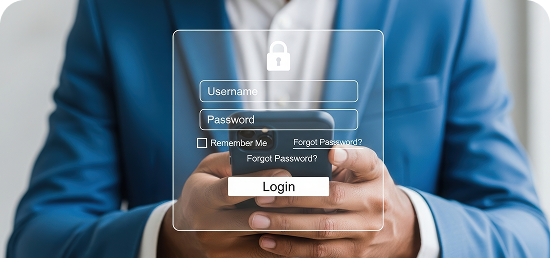
Fraudsters create email addresses or websites that closely mimic those of legitimate law firms. Subtle differences, such as a single changed letter in an email address, can be extremely easy to overlook. If in doubt, call us directly using the number on our official website or correspondence.
Phishing is the most common cyber threats affecting clients and UK businesses. These scams often involve fake emails, calls, or texts claiming to be from solicitors or financial institutions.
APP fraud occurs when criminals deceive individuals into authorising a payment to what they believe is a legitimate account, often posing as their solicitor or bank. Once the payment is made, it can be extremely difficult to recover.
Criminals intercept genuine email chains between clients and their solicitors, altering bank details or payment instructions. The modified email is often indistinguishable from a genuine message. Always call to confirm any payment instructions you receive.
Fraudsters create email addresses or websites that closely mimic those of legitimate law firms. Subtle differences, such as a single changed letter in an email address, can be extremely easy to overlook. If in doubt, call us directly using the number on our official website or correspondence.

The safest way is to check with us directly. We send our bank details to you once, right at the start, within our Terms and Conditions. We won't send them again by email. Before you hit 'send' on any transfer, please give us a quick ring. We’re always happy to confirm our details over the phone so you can be 100% certain your money is going where it should.
No, never. If you receive an email or a text message claiming that we’ve changed our bank account details, please ignore it and call us immediately on 01749 345756. Cybercriminals often try to intercept emails to divert funds, but we will never change our banking information via a digital message.
Absolutely. In fact, we encourage it. If it makes you feel more comfortable, feel free to send a small amount (like £1) first. Once we’ve confirmed we’ve received it safely, you can proceed with the rest of the balance. It’s a simple step that offers a lot of peace of mind.
Trust your gut. Scammers can be very convincing, but if something feels rushed, strange, or just doesn't sound like us, stop what you're doing. Don't click any links and don't share any passwords. Instead, reach out to your dedicated team member through a channel you know is ours—like the Lyons Bowe App or by calling our main office directly.
While email is convenient, it isn't always the most secure way to send sensitive information. Our app and client portal are fully encrypted, meaning your ID documents and personal details stay between us. It’s a bit like a digital vault for your case—you get 24/7 access, and we get the peace of mind that your data is locked down tight.
Definitely not. We will never ask you for your banking passwords or login details over the phone or via email. If someone claiming to be from Lyons Bowe asks for this information, they are not who they say they are. Hang up and let our Fraud Prevention Team know at security@lyonsbowe.co.uk.
Authorised Push Payment (APP) fraud is when a criminal tricks you into sending money to them by pretending to be someone you trust, like your solicitor. They are very good at making their emails look identical to ours. This is why we insist on "verifying before you transfer"—a thirty-second phone call to your solicitor can prevent a very costly mistake.
We don't just talk about security; we invest in it. We combine the latest cybersecurity technology with regular staff training to make sure our team knows how to spot a threat before it becomes a problem. We’re also fully regulated by the Solicitors Regulation Authority (SRA), so you can rest assured we’re held to the highest professional standards.
.avif)
If your separation involves selling your home, our Family and Property teams work hand-in-hand to simplify the legal steps. We’ll handle the transfer, sale, and settlement while keeping your interests and peace of mind front and centre.

Lyons Bowe is a trading name of Lyons Bowe Limited, a limited company registered in England & Wales (registered number OC11526226) which is authorised and regulated by the Solicitors Regulation Authority No. 652616. A list of Directors is available at our registered office 54 High Street, Shepton Mallet, Somerset, BA4 5AS



















.avif)
.avif)

.svg.avif)

.png)


.png)